
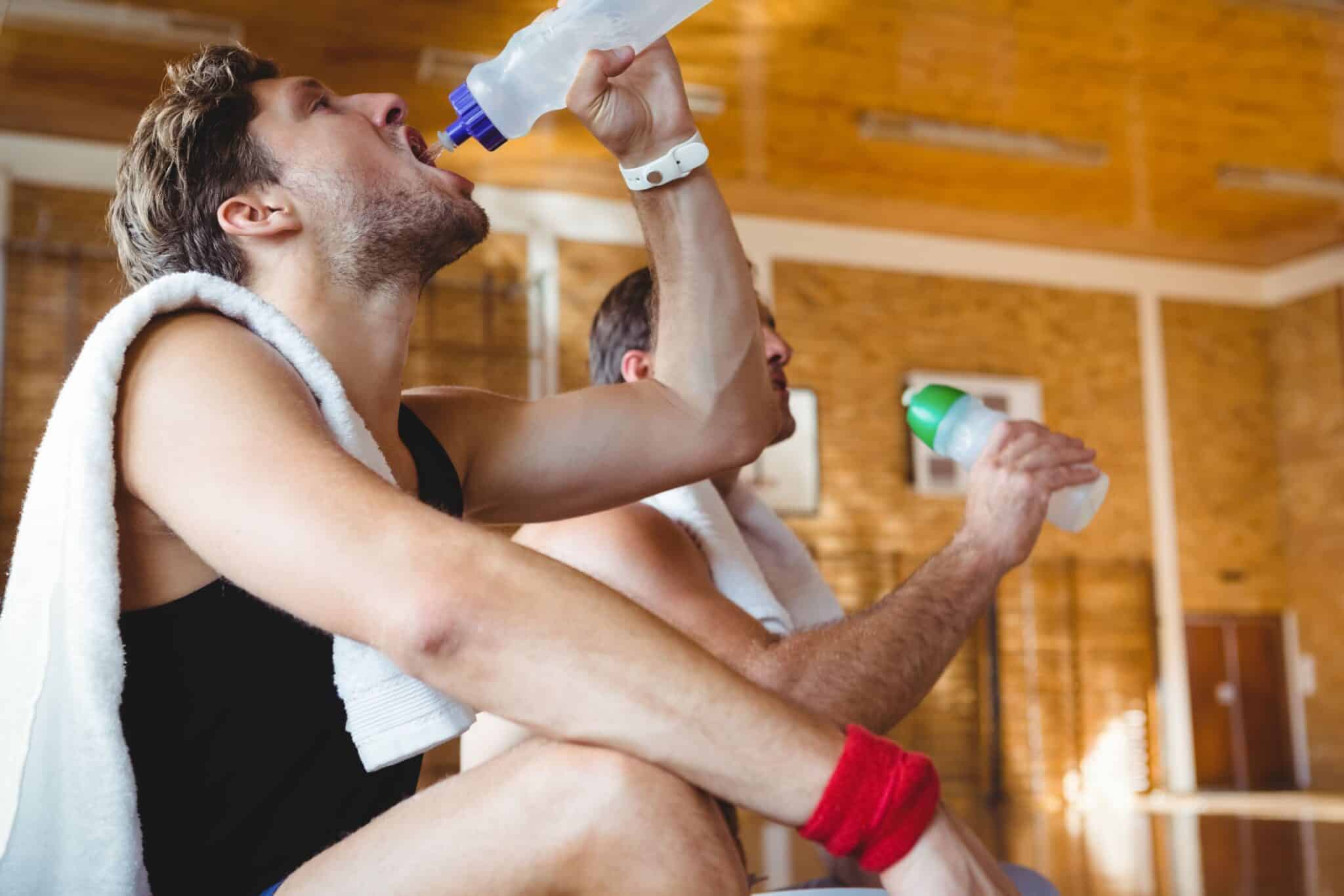
Running and drinking go hand in hand, yet many runners unknowingly do it wrong. Too much, too little, at the wrong time, or with the wrong fluid. In this blog, you will read exactly what your body needs, when it is best to drink, and which hydration solution suits your training.
Because whether you are doing a gentle 5-kilometer run or training for a marathon, managing fluids smartly makes a noticeable difference in how you feel during and after running.
| Subject | Advice |
|---|---|
| Focus keyword | Running and drinking |
| When to start drinking? | Drink when you feel thirsty, not sooner. |
| Shorter runs (<10 km) | Usually no need to drink during the run |
| Longer runs (>10 km) | Drinking on the go is recommended, especially in warm weather. |
| Best choice for runs <60 min | Water |
| Best choice for runs >60 min | Sports drink or water + electrolytes |
| Drinking solutions | Hand bottle, hip belt, flip belt, water backpack |
| Danger of drinking too much | Hyponatremia (low sodium level) |
| Warm weather extra tip | Replenish electrolytes in addition to fluids |
| Consultancy | Gait analysis at RunX |
Running and drinking: should you wait for thirst?
Many runners are convinced that you must always stay ahead of thirst. That sounds logical, but recent research shows that this advice is incorrect and sometimes even dangerous. Thirst is a reliable signal from your body. It indicates that it is time to refuel, not that you are already too late.
Drinking too much leads to a sodium level in your blood that is too low, also known as hyponatremia. This can lead to nausea, confusion, and in severe cases, worse. Statistically, no one has ever died of dehydration during a running race, but they have died of overhydration. So drink when you are thirsty, and no more than that.
How much water do you need while running?
That depends on a number of factors: the distance, the weather, your body weight, and how quickly you sweat. A handy basic rule: the longer and warmer it is, the more fluids you lose and the more important it is to drink enough fluids in time.
For an easy 10-kilometer run in normal weather, you hardly need to drink along the way. A glass of water before you start and one afterwards is sufficient in most cases. However, if you run for longer than an hour, drinking along the way is definitely important to maintain your performance.
When running in warm weather, you lose more fluids and salts through sweat. It is therefore especially important to replenish not only water but also electrolytes. You can read more about this further on.
Water or sports drink: what is the best choice?
For most recreational runners, water is more than enough, especially for runs of less than an hour. But as soon as you run for longer than 60 minutes, you lose salts and minerals in addition to fluids. Water does not replenish these.
A sports drink or electrolytes then help to compensate for fluid loss more effectively. They contain sodium, potassium, and magnesium, which keep your muscles functioning and help prevent cramps. Cherry juice, by the way, is a popular alternative that is appearing more and more often: in addition to the taste, it contributes to muscle recovery after running.
At RunX, we are happy to help you choose the right sports nutrition and hydration for your runs, from gels to sports drinks and electrolytes.
Electrolytes for running: when do you need them?
Electrolytes are minerals that play a crucial role in your fluid balance and muscle function. They are less necessary in normal weather and for shorter distances. However, they are indispensable during prolonged exertion or running in warm weather.
If you lose a lot of electrolytes through sweat without replenishing them, you may experience muscle cramps, fatigue, or a heavy feeling in your legs. These are signs you often only notice halfway through a long run, when it is too late to do anything about it.
Test during your training sessions which form works for you: effervescent tablets, sports drink, electrolyte gels, or special electrolyte drinks. That way, on race day, you will know exactly what your body can tolerate.
How do you carry drinks while running?
There are several ways to carry water or sports drinks. The choice depends on how long you run and how you prefer to run.
Small bottle
Compact and handy for shorter runs. The downside is that you carry the bottle with you the whole time, which can affect your running posture. Perfectly fine for runs up to 45 minutes.
Hip belt
A waist belt with one or more bottles is a popular choice for medium-distance runs. Elastic models are more comfortable than hard plastic versions. An insulated holder keeps your drink cool for longer.
flip belt
The Flipbelt is an elastic belt around your waist where you can also store your phone and keys. Special Flipbelt bottles are slightly curved so you don't feel them. Handy, although it takes a bit of practice to quickly put the bottles in and take them out.
Running hydration backpack
The hydration backpack, also known as a Camelbak, is ideal for long runs and trail running. You carry a water bladder of 1 to 2,5 liters and drink via a hose without stopping. Some models also feature chest pockets with flexible bottles, making refilling on the trail easier. For trail runners covering a lot of terrain, the hydration backpack is the most logical choice.
Unsure which hydration solution best suits your training? Stop by RunX for personalized advice.
Running and drinking in hot weather: additional points to consider
In the summer, the rules change. You sweat more, moisture evaporates faster, and your body has to work harder to stay cool. This has a direct impact on your performance and how you feel while running.
A few practical adjustments for running in warm weather:
Preferably run early in the morning or late in the evening, when the temperature is lowest. Always carry plenty of fluids, even if your route normally does not require water stations. In addition to water, replenish electrolytes, especially if you are on the road for more than an hour. Check your route for public water points, such as campsites or recreation parks, so you can refill along the way.
You can find more tips in our blog about running in warm weather.
Drinking during the marathon: what works?
A good hydration strategy is essential for a marathon. Use the aid stations along the course and test during your training which sports drink or gel works well for your stomach. What works well during training will also work on race day. Do not surprise your stomach with new products on race day.
Your body runs out of its immediate energy reserves after about 45 to 60 minutes. At that point, drinking makes the difference between continuing and collapsing. Therefore, combine your fluid intake with sports nutrition to maintain your energy levels.
Conclusion: smart drinking makes the difference
Running and drinking is not an exact science, but there are clear guidelines to help you make better choices. Drink when you are thirsty, choose the right fluid for your distance, and invest in a hydration solution that suits your running style. In warm weather, pay extra attention to electrolytes.
Want to know what works best for you? At RunX, we are happy to help. Our specialists provide personalized advice on nutrition, hydration, and the right equipment for your training. Feel free to stop by or view our nutrition range online.
Frequently asked questions about running and drinking
Should you drink before you start running?
Yes, it is smart to start well-hydrated. Drink a glass of water of about 300 to 500 ml approximately 30 to 60 minutes before your run. Don't overdo it, as drinking too much right before departure can lead to an unpleasant feeling of fullness or stomach upset while running.
How do I know if I am drinking enough while running?
Thirst is the most reliable signal. Drink as soon as you feel thirsty, but don't wait until you are dehydrated. After your run, you can check your urine: light yellow means you are well hydrated, while dark yellow means you needed more fluids. Try to get to know this rhythm during training.
Is drinking water enough during a long run or marathon?
For runs shorter than 60 minutes, water is fine. During longer exertions, in addition to fluids, you also lose electrolytes such as sodium and potassium through sweat. Water does not replenish these. In that case, add a sports drink or electrolyte tablet to prevent muscle cramps and performance loss, especially in warm weather.
Which hydration solution is best for long trail runs?
For long trail runs, a hydration pack is the most practical choice. You carry a large hydration capacity without disrupting your running rhythm. Models with chest pockets for flexible bottles make refilling on the go easier. Always combine this with electrolytes for efforts lasting longer than 60 minutes.