

Uiltje meets Ghost Run

What could be more fun than a run on the Brooks Ghost Amp and a…

RunX HaarlemNovember 3 2026
Running is an accessible sport. You can do it anywhere and need relatively little for it. Investing in a gait analysis and a good pair of shoes is a prerequisite. Wearing functional running gear is less common. That is a shame, because functional running clothing can improve running comfort, and consequently your running enjoyment and performance.
The weather has a great influence on our body. In some cases this is clearly noticeable, for example when you go running when it is raining, blowing hard or when the sun is shining. You get wet, cold or very warm. The outside temperature and humidity also affect your running comfort and performance. Sometimes you sweat more and running is a lot more difficult, while at other times you can run the same lap without too much effort.
“There is no such thing as bad weather, only bad clothing .” With the current range of functional running clothing, there is no excuse not to go running during the autumn and winter months. It is important, however, to tailor your running clothing to your situation, training, and weather conditions. View the running clothing for women , men , and unisex.
Three layer system
All functional running clothing at RunX is based on the so-called three-layer system. This system was developed based on the knowledge that the human body needs three things during exercise, namely moisture drainage, temperature regulation and protection. Functional running clothing is made of various polyester materials, taking into account the places on the body where more or less perspiration occurs. The synthetic fibres in these materials have heat or moisture regulating properties. By dressing in (three) ergonomically shaped layers, where each layer fulfils a specific function, you can run comfortably outdoors in any season and weather type.
The three-layer system primarily concerns upper body clothing and works as follows:
1. Layer 1: moisture wicking
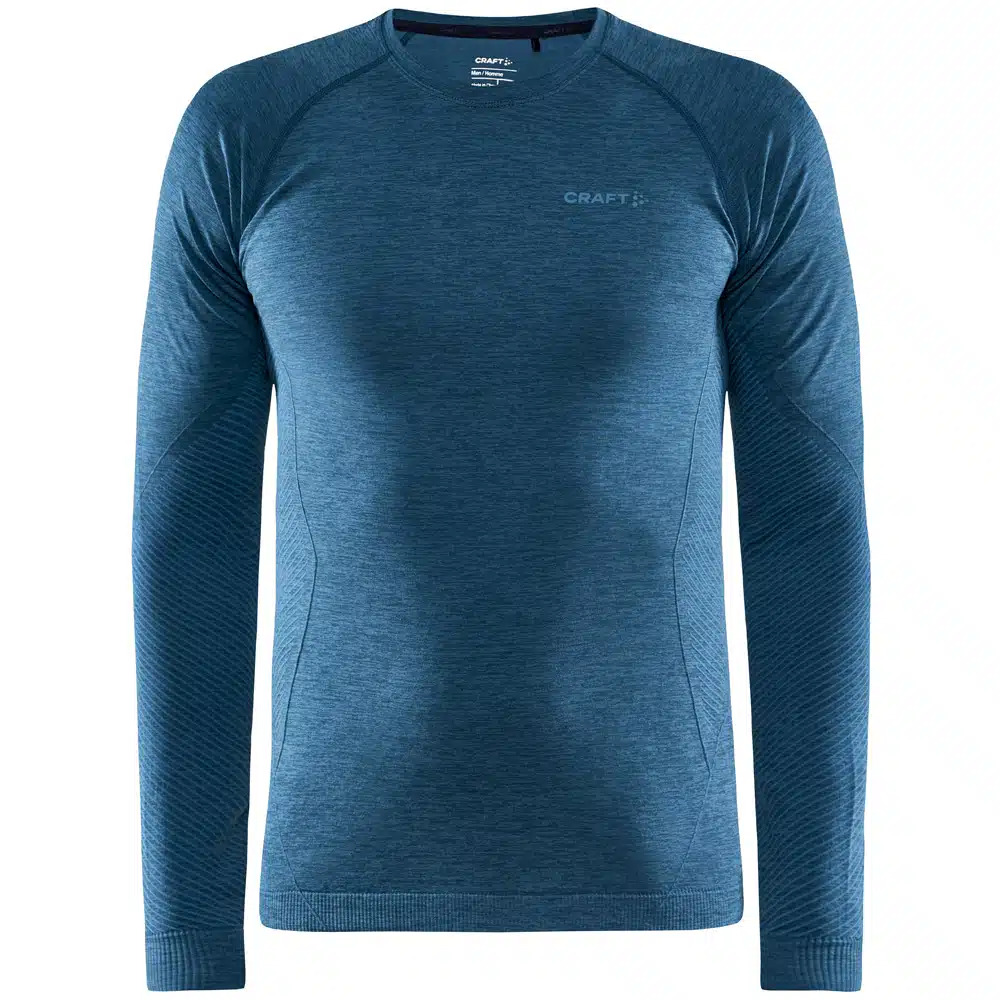
The first layer, which provides moisture drainage and insulation, is worn directly on the skin and fits closely to the body. This undershirt or underwear is made of a special synthetic fiber that feels soft and makes painful chafing a thing of the past. The most important property of the material, in combination with the fit, is that it quickly absorbs perspiration and drains it to the outside. This keeps your body feeling nice and dry and warm.
A big difference compared to a cotton T-shirt or (under)pants. After a while, that gets soaking wet and cold and sticks, causing your body to cool down considerably. Muscle injuries and colds are then lurking. A sticky shirt also ensures that your body can no longer get rid of excess heat and that your skin can become irritated.
2. Layer 2: Temperature control
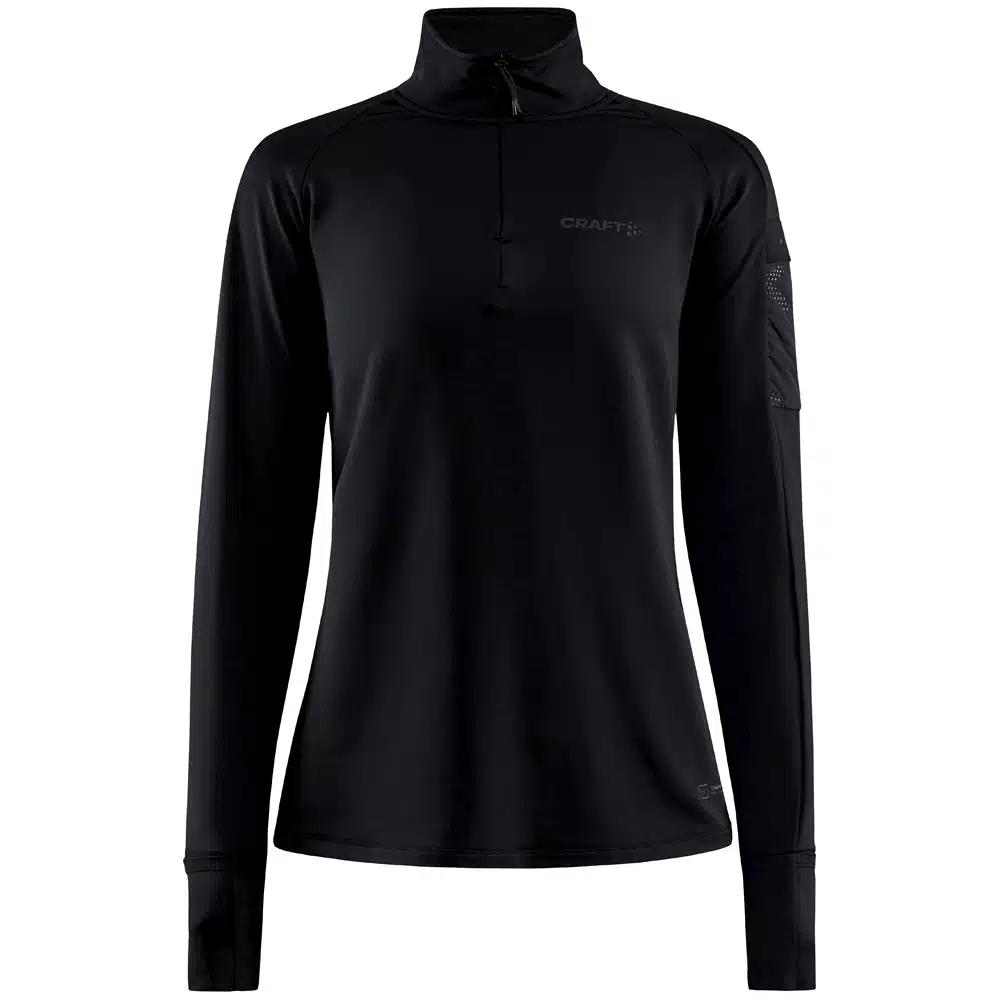
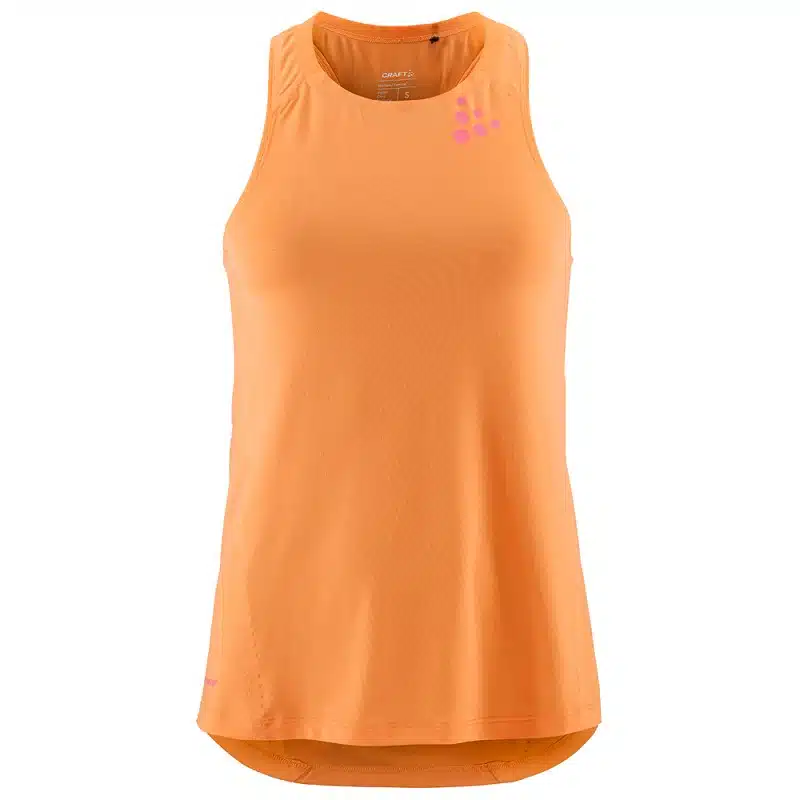
The second layer further wicks away perspiration and body heat to the outside and also has an insulating effect. This functional running shirt, with short sleeves in the summer or made of a warmer fabric with long sleeves in the winter, keeps the body at the right temperature while running. In warm weather, the intermediate layer wicks away moisture and heat, while keeping you nice and warm on colder days.
3. Layer 3: protection against wind, rain and cold
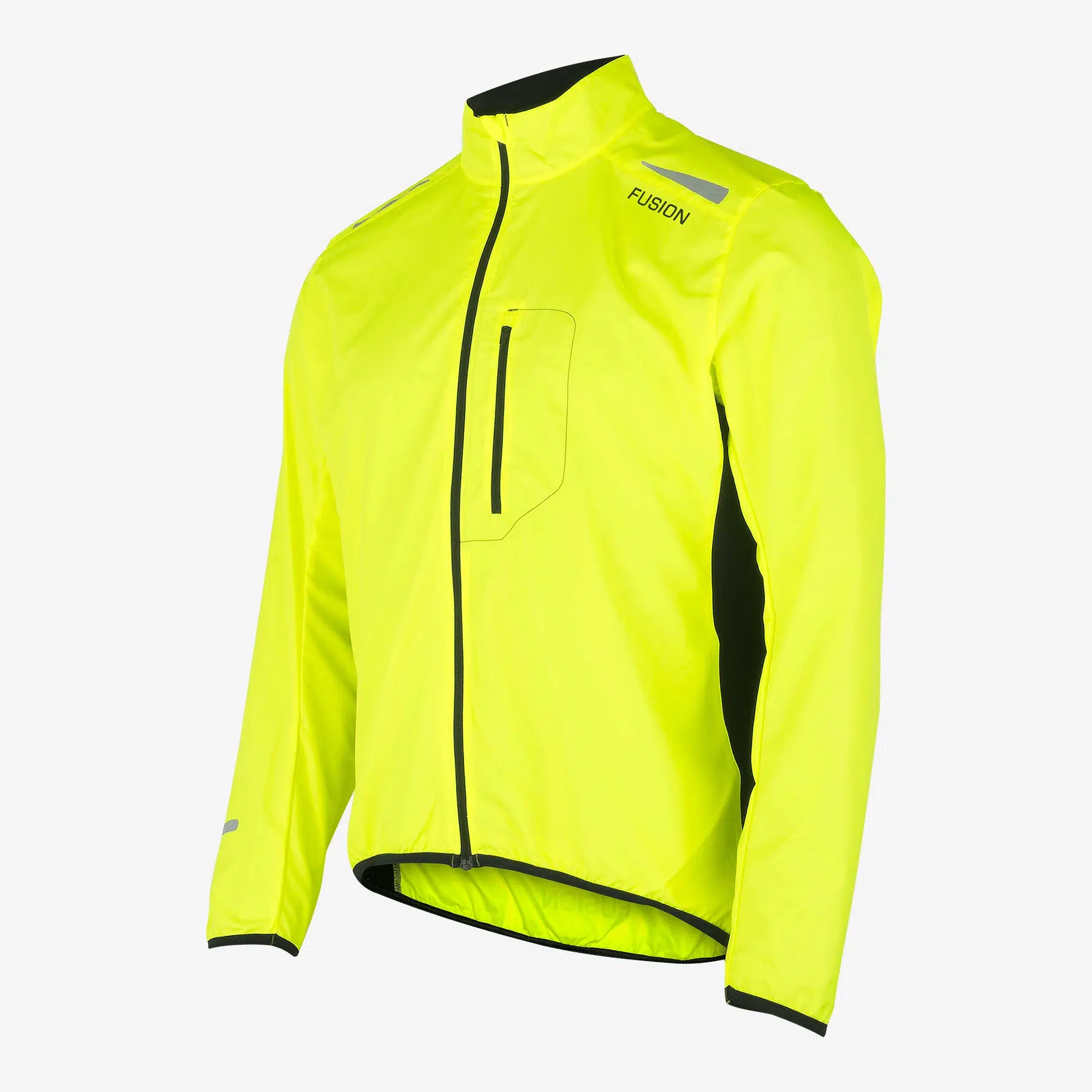
The third layer is a protective outer layer, or a functional running jacket. A good functional jacket is windproof, water-repellent and protects the body from cooling down. The special thing about the materials used in this top layer is that heat and perspiration can be removed to the outside, but that it protects against wind and rain. That is the big difference with an average waterproof rain jacket. That may often be thin and lightweight, but the breathability and heat-regulating capacity is a lot less, which can make you much too warm while running. If you do not let yourself be guided by rain radar or bad weather forecasts, if you train in all weather conditions, a waterproof jacket with a membrane function is recommended. The membrane in these jackets ensures that it is 100% waterproof but has a considerable breathability. The structure of a raindrop is larger than that of perspiration, so it can go from the inside to the outside, but not the other way around.



One layer less
When you wear the above three layers, you will notice that running will probably become a lot more comfortable and fun. However, you do not always have to wear all three layers. There are times when two layers are sufficient. In warm weather, for example, you can easily suffice with layers one and two. After all, you need a light outfit that quickly dissipates perspiration and body heat. Protection in the form of an extra (warm) top layer is less desirable in this situation.
Even in the fall, when it is windy but not yet cold, you can sometimes suffice with wearing two layers of clothing when running. In this case, choose layers one and three. In this way, your body is protected against the elements, while you do not get too warm because of the middle layer. In principle, you only wear the second layer when it is very cold, when you are only wearing a thin running jacket or when you are doing interval training where you produce a lot of body heat in a short period of time.
Running tights
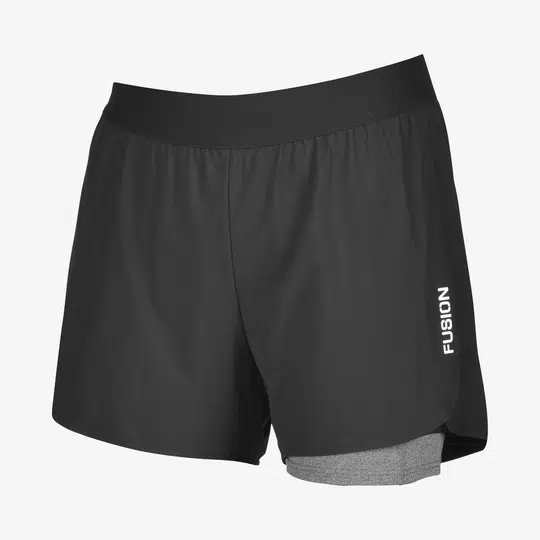
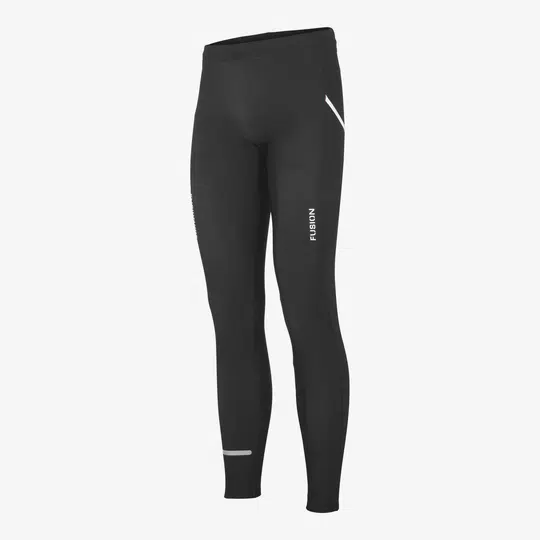
Good outerwear is very important, but the base should of course not be forgotten. Many runners opt for special running tights. These are trousers that fit tightly against the skin and are made of a supple, lightweight material. Running tights are available in different versions: as short tights for summer use and as long tights for colder running days. In autumn and winter it can be nice to wear functional underwear (layer one) underneath. This in the form of briefs or boxer shorts. In spring and autumn, 3/4 tights are also a good option. Wearing these special running tights has a number of advantages when it comes to running clothing. First of all, the material comes into direct contact with the skin, which allows perspiration to be quickly removed. In addition, you have optimum freedom of movement. Unlike with wide (jogging) trousers, running tights do not have to deal with flapping in the wind. However, not everyone sees themselves running in tight running trousers. That does not matter, because there are also excellent functional, loose-fitting alternatives available.
Advice and coordination
If you want to run comfortably, functional running clothing is an important part of your outfit. We are happy to advise you on the different layers tailored to your personal situation. In addition to the functionality of the materials, fit and wearing comfort are also essential. Wearing the right functional clothing while running ensures an optimal body climate in summer and winter, and therefore comfort and better performance.
Tips for purchasing functional clothing for running
– Come to RunX for advice, to try on and compare
– Choose three layers that you can wear in different variations
– Buy clothes that fit well and are comfortable
– Ensure sufficient freedom of movement
– Don't buy running tights that are too tight
– Also consider functional accessories such as a hat, headband or gloves
RunX is the running specialty store for every type of athlete. Starting to run? Then you've come to the right place!












© 2023 Coöperatie RunX Holding UA - All rights reserved. Realization: JKC Media BV