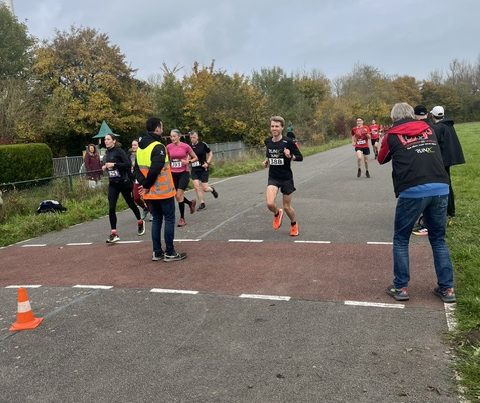

Rain, wind, and around six degrees: in November, that is just normal running weather. The cold alone is usually not too bad, because you warm up after a few kilometers. It becomes trickier when it is wet as well. In the store, we get questions about this every week at this time of year: which jacket, which trousers, and what do you do with wet shoes? With these tips, you will stay warm and keep running comfortably, even when it rains.
Why rain and cold together are tricky
Water conducts heat much faster than air, up to about 25 times faster. As long as you are walking, you generate enough heat to keep up. But if your clothes get soaking wet, if the wind picks up, or if you stand still for a moment at a traffic light or during exercises, you cool down quickly. The goal, therefore, is not to stay bone dry, but to stay warm while getting wet.
1. Choose layers that wick away moisture, not cotton.
Cotton retains water, becomes heavy, and sticks to your skin when cold. Therefore, choose functional running wear. A thin base layer shirt (moisture-wicking) or thermal shirt (moisture- and heat-regulating) as the bottom layer wicks away sweat and keeps you warm even when it gets wet. On top of that, a regular running shirt or a jacket, depending on the temperature. You can read more about the reasons why in the importance of functional clothing.
2. Water-repellent or waterproof?
A fully waterproof jacket keeps the rain out but has limitations in terms of breathability. Depending on the outside temperature and the type of training, you may sometimes be unable to dissipate enough heat and start to perspire more. For most runners, a windproof, water-repellent jacket is therefore the most comfortable choice: it keeps out showers and wind while allowing your skin to breathe. If you run long distances in persistent rain, a waterproof and breathable jacket is well worth the investment. Unsure what suits you best? We would be happy to let you feel the difference in the store.
3. Wear tights instead of wide pants
Looser-fitting pants can provide protection and keep your muscles warm, but are less focused on actively wicking away perspiration. Tights stay in place and wick away moisture more effectively. Fusion tights are a good example of this: the fabric consists of two layers, with the inside transporting sweat to the outside, where it spreads and evaporates faster. For really cold days, there is a warmer version with a more densely woven outer layer to protect against cold and wind. View the running wear.
4. Cap, hat and gloves
You lose heat quickly through your head, hands, and neck. A hat and gloves are therefore not an unnecessary luxury in November. If it is raining heavily, wear a cap with a visor, possibly under your hat or hood. The visor keeps the rain out of your eyes, so you can see where you are walking.
5. Pay attention to the grip and your feet
Wet leaves, cobblestones, and the white stripes of a zebra crossing become extremely slippery when it rains. Take corners slowly and place your feet deliberately. If you often walk on unpaved paths, a trail shoe with a coarser tread provides more grip in mud and on wet leaves.
You almost always get wet feet in the rain; that is not a problem. What does help are socks made of synthetic material or merino wool instead of cotton: they stay in place better and reduce the risk of blisters. Also read about the importance of good running socks.
6. Prevent chafing
Wet textiles chafe more than dry ones. Apply an anti-chafing balm beforehand to areas prone to chafing, such as your armpits, the inside of your thighs, and the edges of a sports bra. Men often tape up their nipples on long runs as well.
7. Make sure you are seen
Motorists have poorer visibility in the rain, especially in the dark when headlights reflect off the wet road surface. Therefore, wear reflective gear, preferably on moving parts such as your ankles and wrists, and take an arm light and/or LED vest with you when walking in the dark. Check for available lighting . If you are walking in truly dark areas without street lighting, a chest light or headlamp is highly recommended.
8. Plan your route smartly
Start with the wind against you. Then you'll have it at your back on the way back, when you are wet and a bit more tired. In heavy rain, feel free to choose a shorter loop close to home, or run a few laps of the same route, so you can always get home quickly if you start to get cold.
Afterwards: quickly dry and warm
Put on dry clothes immediately after your workout and take a warm shower. Don't be tempted to plop down on the couch while still wet, as you will cool down quickly. Also, drink plenty of fluids: you may feel less thirsty in cold weather, but you are still losing fluids.
Do not place wet shoes on the radiator or near the heater, as this is bad for the cushioning material and the adhesive layers. Stuff them with newspaper: this draws the moisture out. You can find more tips under maintenance of your running shoes.
When is it better to stay indoors?
Rain is no reason to stay home, but be careful during thunderstorms, freezing rain, or heavy storms. Adjust your training to the weather conditions, do a shorter run, or skip a session. Alternatively, run indoors on the treadmill or do strength training.
Advice in the store
Which jacket, tights, and shoes suit you best depends on how often, how far, and where you run. Come by the store, and we'll help you decide and you can try everything on right away. Do you also want to know if your shoes still suit your running style? Book a gait analysis or make an appointment . You can read more tips for dry, cold weather in 7 tips for running in the cold.