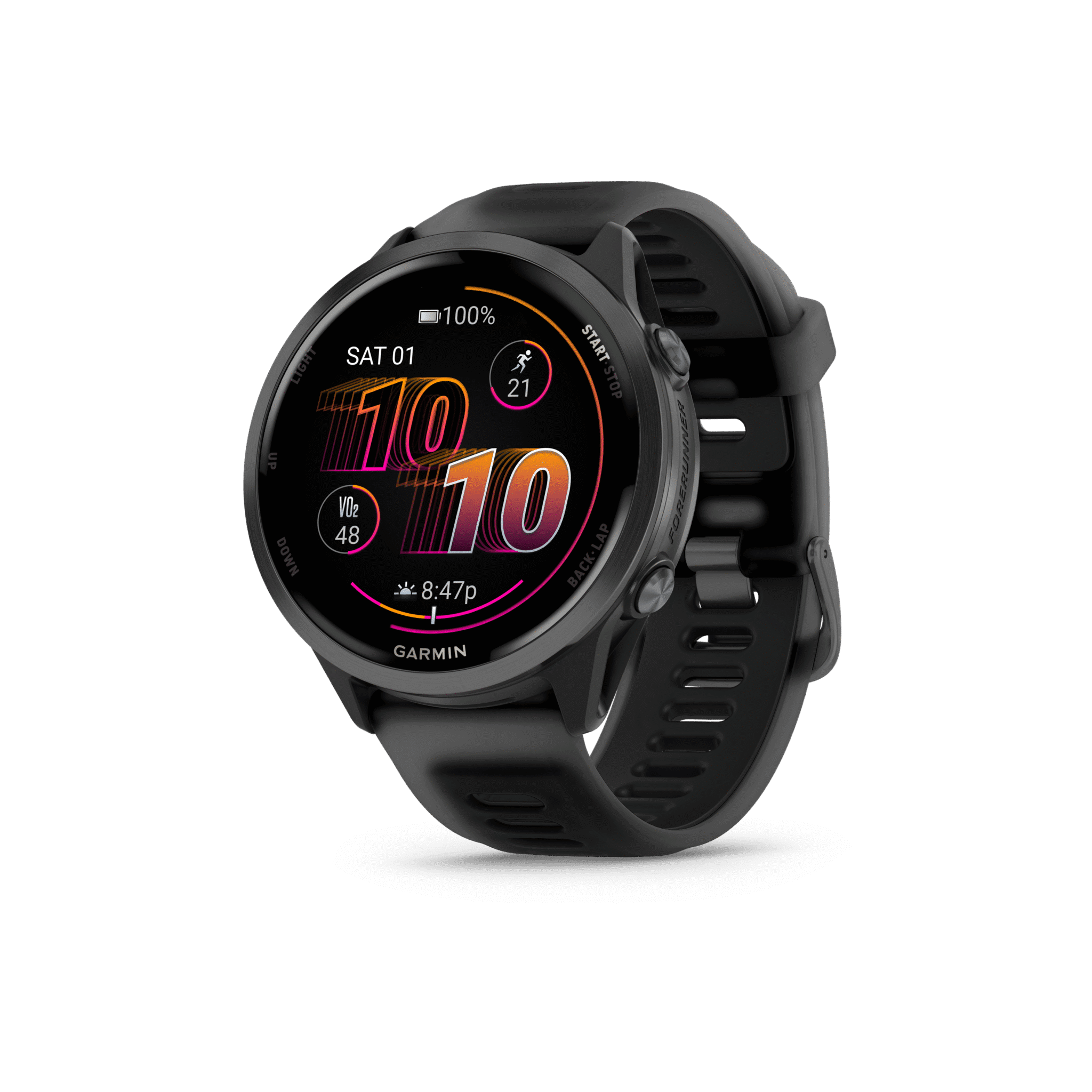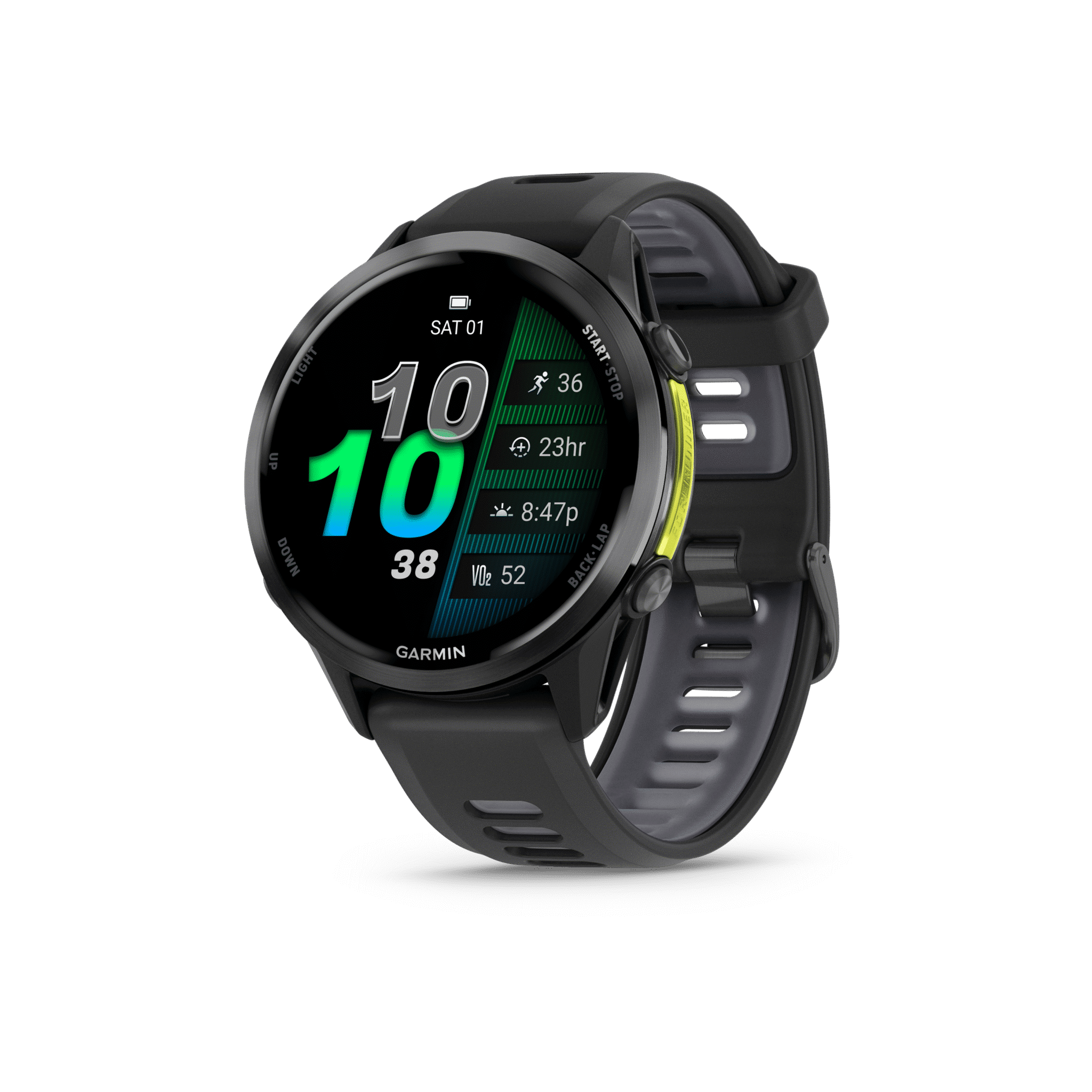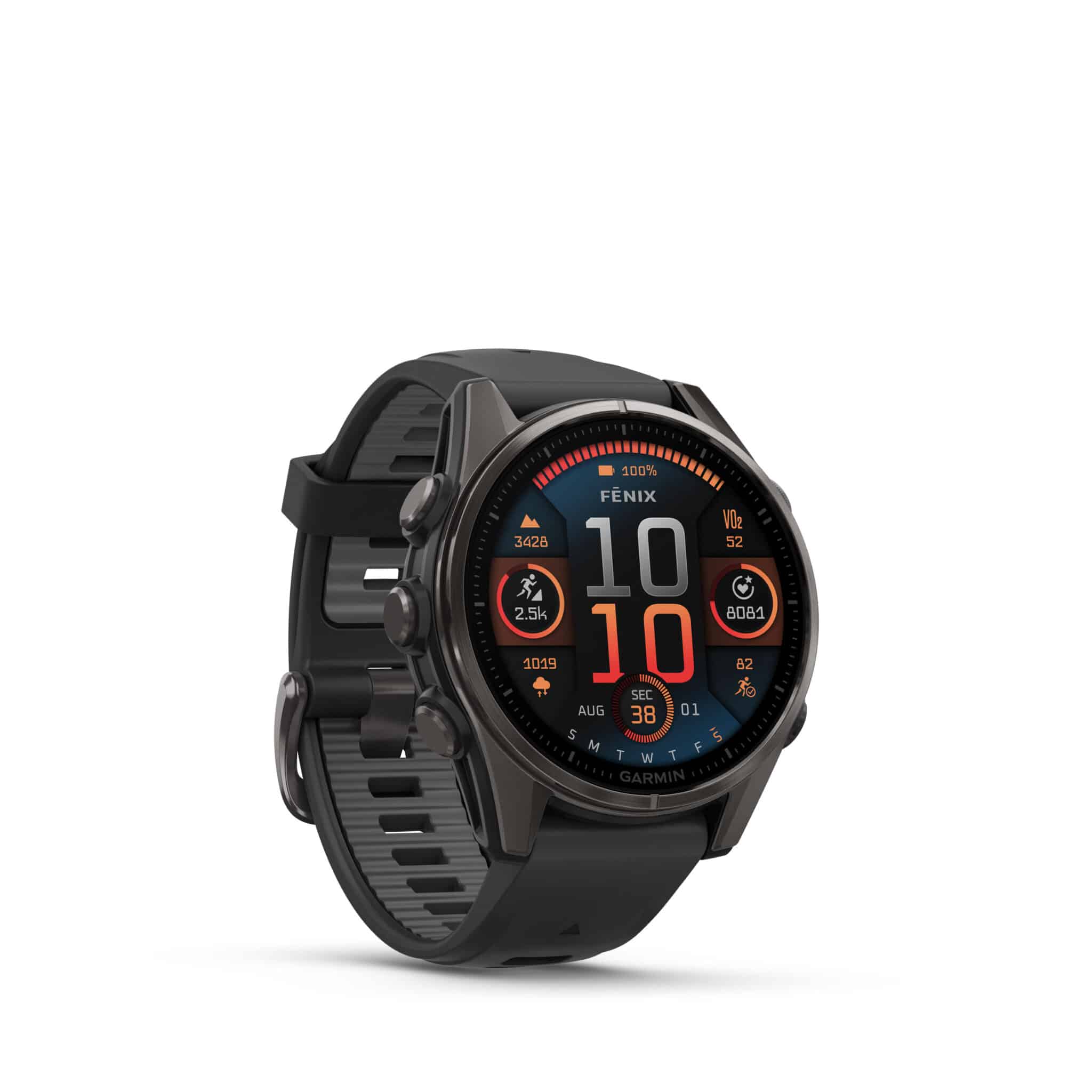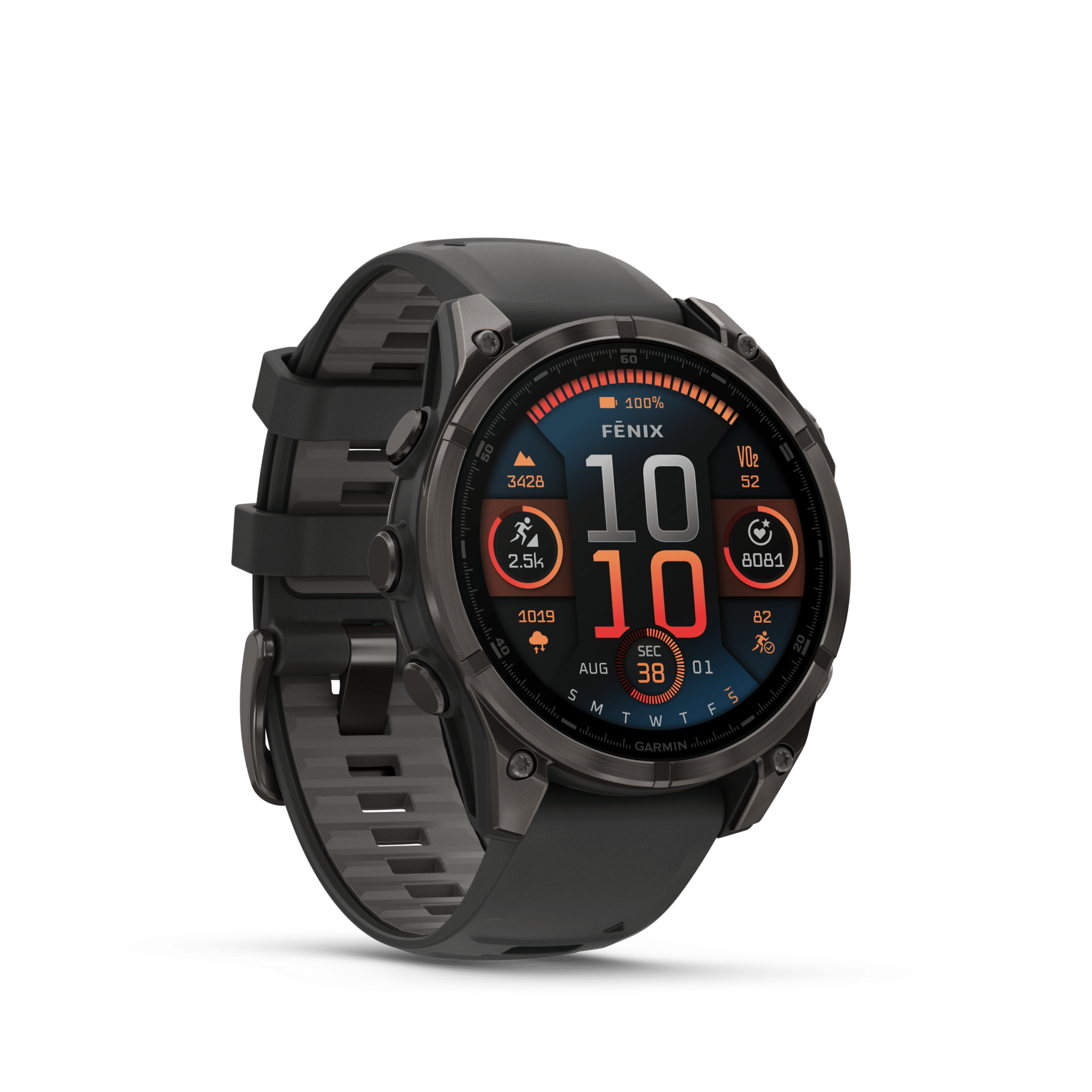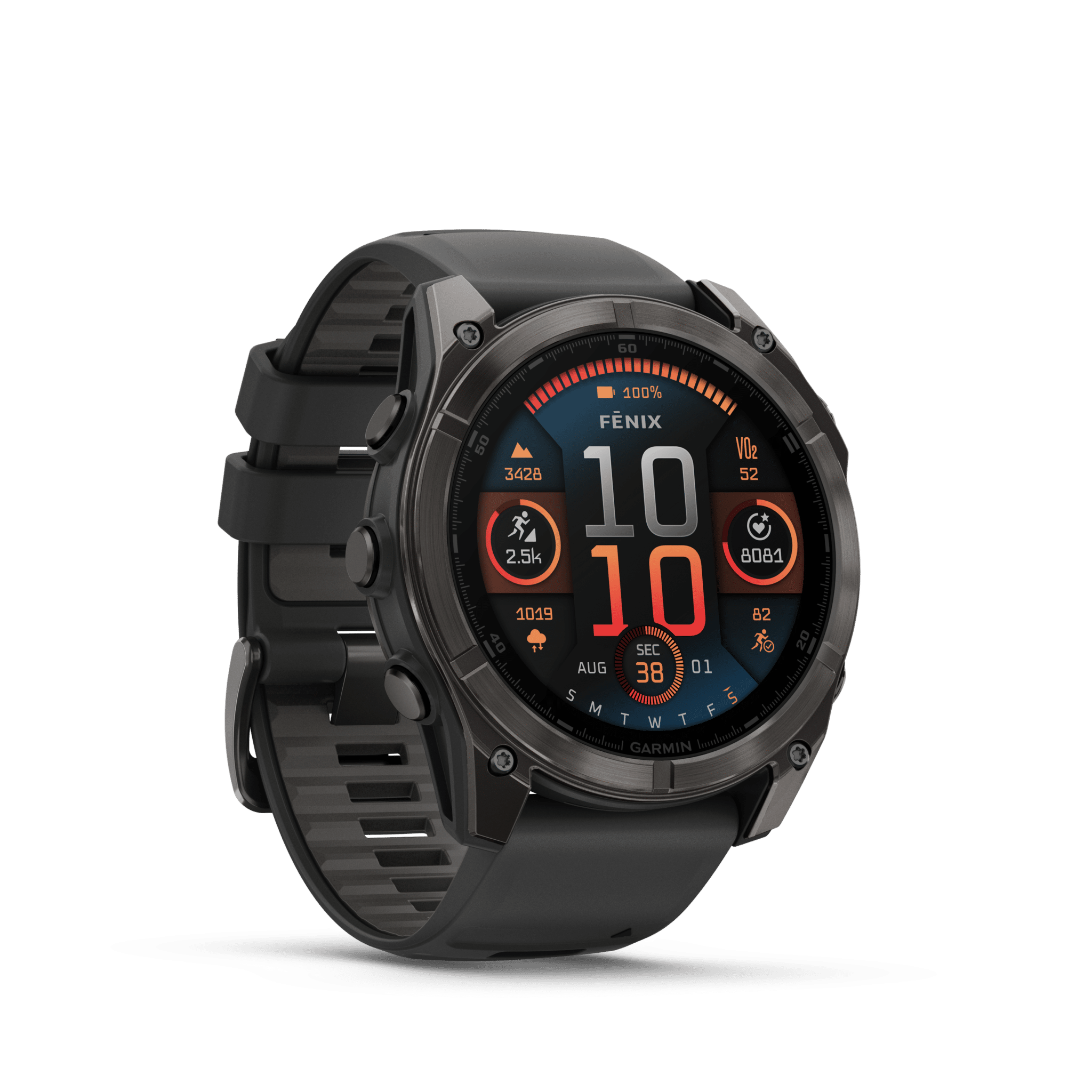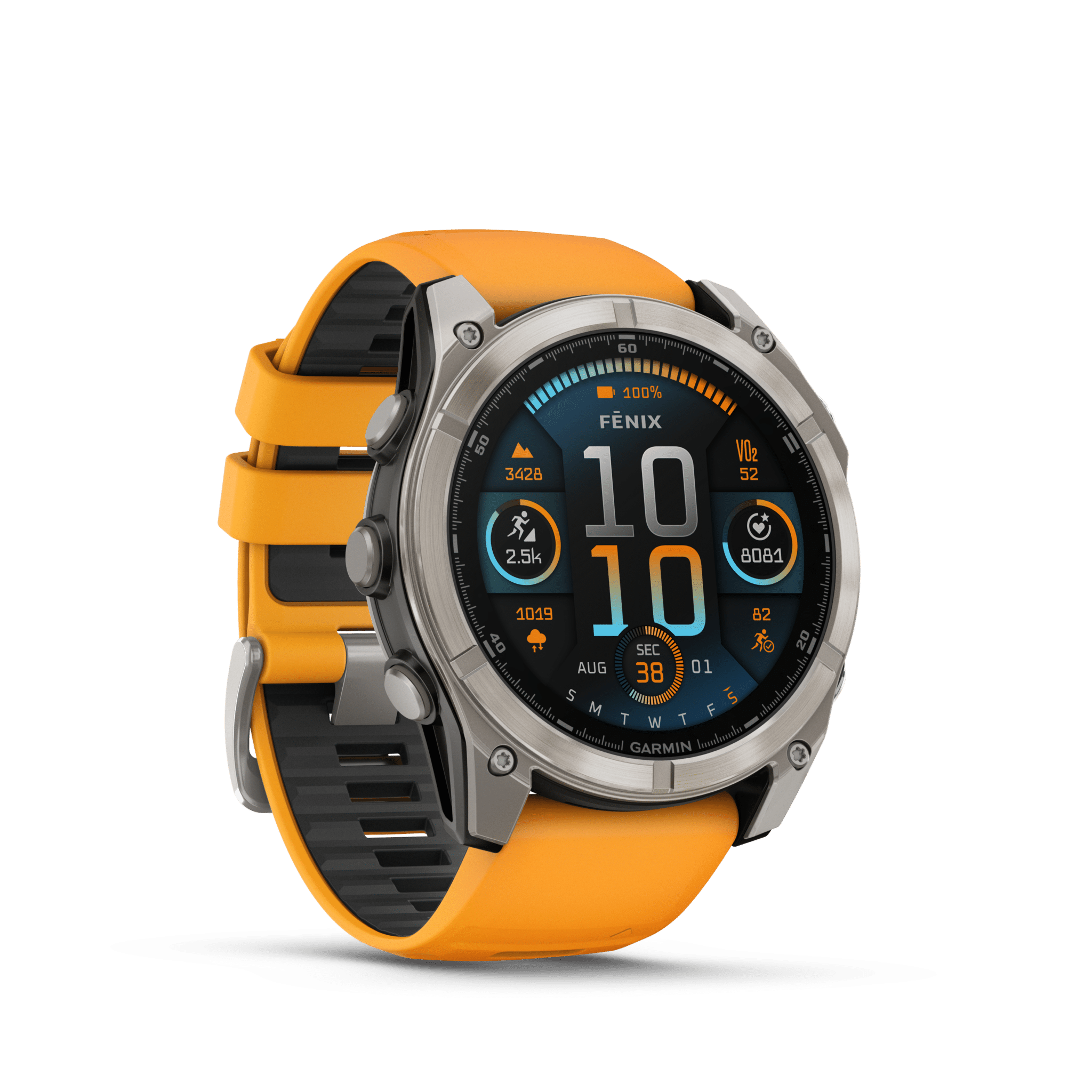

A good running sports watch makes training smarter and more fun: you see what you are doing, where you stand, and what the next step is. In this guide, you will learn exactly what to look for, which features matter for each type of runner, and which models meet those needs. Finally, you will find a practical checklist and common mistakes to avoid.
1) Why every level of runner benefits from a sports watch
Beginners (5–10 km)
Focus on clarity and consistent progress . You primarily need reliable GPS, simple training screens (pace, heart rate, distance), and basic notifications. A lightweight watch with a clear interface helps you maintain your rhythm and motivation.
Intermediate (10 km – half marathon)
You train more effectively with interval timers , pacing aids , heart rate zones , and training load . Battery life and accuracy become more important, as do recovery advice and (for trail) basic navigation.
Advanced (marathon/ultra, trail)
You are looking for multi-band GNSS or dual-frequency GPS for city/forest, navigation (tour/GPX), long battery life, and deeper metrics (HRV, training load, sleep/readiness) to plan for peak moments.
2) The features that really make the difference
GPS/GNSS accuracy: Multi-band is more stable in urban canyons or forest.
Heart rate measurement: Optical pulse measurement is practical; a chest strap is more precise for intervals.
Training tools: interval screens, pace/heart rate target, VO₂max, training load and recovery advisor.
Navigation & safety: follow route (GPX), track‑back, incident detection/compatible emergency notification.
Battery life: look at “GPS hours” instead of just “smartwatch days”.
Ease of use: Buttons vs. touchscreen, clear data fields and quick sync with your favorite app.
3) Selecting models: which one is right for you?
The classification below helps you choose quickly. Models are examples that you can have explained and compare in RunX stores. For current availability and alternatives, see running gadgets.
| Model (example) | For who? | Strong in | Note |
|---|---|---|---|
| Garmin Forerunner entry-level | Beginners 5–10 km | Ease of use, basic training tools, lightweight | No advanced navigation; limited training analysis |
| Garmin Forerunner mid-range (e.g. series 2xx) | 10 km – HM, tempo work | Good GPS, training load, daily recovery advice | Multi-band sometimes only on more expensive variants |
| Polar Pacer Pro | Road + light trail, data-driven | Light, navigation, powerful training functions | Interface is 'functional' (less flashy), getting used to it period |
| Coros Pace/Apex | Endurance/trail running, battery freaks | Very long battery, solid GPS, route options | Fewer smart features; app ecosystem is utilitarian |
| High-end (Garmin Forerunner top class / Polar/Coros top) | Marathon/ultra, navigation, multi-sport | Multi-band, advanced metrics, strong navigation | Higher price point; many features = learning curve |
4) Concrete product recommendations & combinations
Goal: first 10 km → choose an entry-level Forerunner or similar lightweight model. Combine with a comfortable chest strap when doing a lot of interval training (more precise heart rate peaks). Add: anti-blister socks + simple hip belt for keys/gel.
Goal: half marathon → mid-range Forerunner or Polar Pacer Pro for training load and navigation (new routes). Add: hydration belt/compact hydration vest and sports nutrition for long tempo/endurance runs.
Goal: first marathon / trail → Coros Pace/Apex or high-end with multi-band GNSS + route guidance. Add: lightweight hydration vest, headlamp (for early/late sessions), and recovery aid (foam roller/compression).
Browse the selection of running gadgets and see the differences live in the store.
5) Using data without getting lost
- Zones & tax structure: Don't just train "harder," train smarter—alternate zone 2 duration with tempo blocks/intervals and watch for an upward trend without jumps.
- Recovery advice: Take them seriously, but don't chase "green" every day. Plan your rest, sleep, and easy days consciously.
- VO₂max & race predictions: Useful as a guideline, not as an absolute truth. Look at your recent training block.
- Navigation: Pre-test GPX routes and zoom/warning settings, especially in unfamiliar terrain.
6) Common mistakes (and how to avoid them)
Rely solely on wrist HR for intense work: add a chest strap for intervals.
Too many metrics at once: start with pace/distance/HR, then add training load/VO₂max.
Never update/calibrate: keep track of firmware and satellite data.
New watch on race day: always test in training first.
Data without a plan: link it to a concrete schedule and evaluation moment.
7) Checklist: how to choose your sports watch
- Decide Doel (5–10 km, half marathon, marathon/trail).
- Choose you must-have features (GPS accuracy, navigation, training load/HRV, battery life).
- Check operation & readability (buttons/touch, screen brightness).
- Think of combinations (chest strap, drinking solution, lighting) that really improve your training.
- Test in the store: fit, buttons, screen, and have your setup configured correctly once.
Read more & choose at RunX
- Running gadgets (sports watches & accessories)
- Running Schedules
- Recovery after running
- Running analysis
- Find your RunX store
- Schedule a consultation appointment
Ready to train smarter?
Visit your RunX store and compare sports watches hands-on. We'll help you choose the model that suits your body, goals, and training style.
View running gadgets • Schedule your appointment